For the first two years that 12-year-old Anna was with her foster family, all family birthdays were celebrated in secret. While Anna stayed in another room, the family would whisper-sing “Happy Birthday” in the kitchen.
“If she knew it was your birthday, she’d throw a tantrum and ruin it for you,” says Granite Falls foster mom Jennifer Christensen, who also has three biological children between 15 and 21. “I thought, wow, it’s really strange that she’s never noticed that nobody has birthdays but her.”
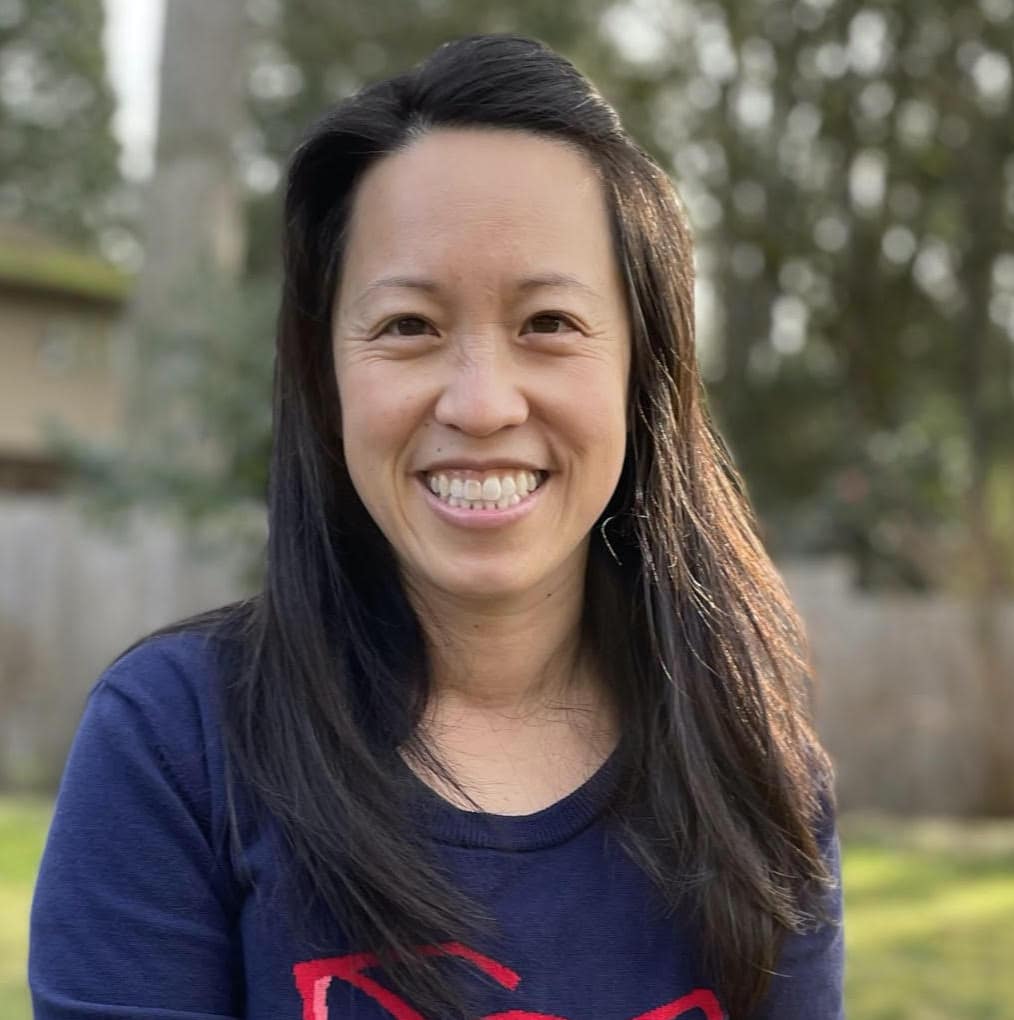
Those early years are still vivid for Christensen as she remembers Anna’s shocking and destructive behaviors that began within an hour of welcoming her home in 2019. But she also equally emphasizes the progress her foster daughter has made since then with her behavioral challenges, largely due to Christensen’s compassion, patience, and grit in finding vital resources for Anna. Today, the Christensens are in the process of adopting Anna.
Struggling through the pandemic
The discreet birthday celebrations are just one of the adaptations the Christensens have made since Anna joined the family. Shortly after Anna’s arrival, COVID shut the world down. This forced Christensen, a preschool teacher, to teach online while also helping her kids navigate virtual schooling. Also, says Christensen, “I’m trapped in a house with somebody who’s violent towards me.
“It was traumatic and challenging … but it really was the best thing for [Anna] because once we got a schedule and figured stuff out, for the first time, she had solid consistency,” she adds. “With her, the tighter the reins, the safer she feels.”
While the older kids attempted to navigate online learning, their foster sister’s behavioral challenges often looked like throwing tantrums lasting for seven hours. In a small house, the disruption was hard to ignore. Yet the older kids pitched in to help, especially while Christensen’s husband worked nights.
“One kid would be writing down every word she said during her tantrums to try to figure out [what she wanted], and another would be marking down the anteceding behavior,” Christensen says, explaining the family’s efforts to understand what Anna needed. “We would take turns listening to her scream.”
Searching for solutions
Although Anna’s behavior improved at home, she was aggressive with peers and her paraeducator at school and required a private room when she had meltdowns. She ripped out the carpet and painted the room with blood. Christensen worked hard with the school district to send her foster daughter Anna to the Academy for Precision Learning, a K-12 school in Seattle for neurodivergent students, which has transformed Anna’s behavioral challenges at school and at home.
“She’s like a totally different kid,” Christensen says. “I do feel like there’s hope now, whereas for five years, I was like, what am I doing? Getting her out of the district that I’m working in and into a place that is set up for a child like her really changed her life. Now we’re going through puberty, though.”
Even with Anna’s growth, she still needs certain accommodations. To keep Anna from destroying the carpet, the Christensens’ house now has laminate flooring. Her room is minimally furnished, with furniture bolted to the floors or walls so she can’t wield them as weapons.
Alarms on her window and door keep her from getting out unnoticed, since she tries to escape when she gets into a foul mood.
“At first, I was very sad when we had to take stuff out of the room,” Christensen says. “I just wanted her to have a normal room. Her Court Appointed Special Advocate said, ‘Don’t feel bad because it doesn’t look like what other kids need. She needs simple because it hurts her brain.’ It took me a long time to come to terms that her life is going to be very different from my other three.”
Prior to the Christensens, Anna bounced around to six other families. The Christensens are committed to becoming her forever family. Today, the Christensens are in the process of adopting Anna.
This article is one piece of our special series on foster and kinship care, highlighting the voices and experiences of foster youth, caregivers, and communities supporting them. Explore the full series to read more of these important stories.
Unsung Heroes: Caring for kids who aren’t their own | Across Washington, tens of thousands of kids are being raised by grandparents, aunts, uncles, and other relatives — often without formal foster care support. As the state prioritizes keeping families together, kinship caregivers are filling the gap, frequently at great personal cost. Explore how policy shifts, community programs, and grassroots resilience are changing the face of caregiving and the future for these children.
Treehouse builds brighter futures for foster kids in Washington | What happens when foster youth are met not with barriers, but with opportunity and support? Treehouse has spent decades answering that question — and changing lives in the process. As this one-of-a-kind program faces major funding cuts, its mission has never been more urgent.
How we became licensed foster parents in Washington | One family’s year-long journey to become a licensed foster parent — filled with paperwork, training, and plenty of heart — offers a firsthand look at the process. From orientation to their first placement, their story sheds light on the realities of stepping into foster care.
Paying It Forward: A former foster youth gives back | Kyle Martinez grew up in the foster care system, unsure of what his future might hold. Today, he’s using that experience to uplift others — mentoring youth in care and speaking out for stronger support systems. His journey from uncertainty to advocacy shows the impact one person can make when given the tools to thrive.